
Website design trends change rapidly, just like today’s technology. What was once considered a modern design can seem outdated or amateurish in a matter of years. This can make it difficult for some brands to make a strong first impression in the digital world—a crucial task when audience attention is often short-lived. If your website design appears outdated—following standards and trends that were popular in 2018 or before—it could be scaring potential customers away.
Even the most outstanding websites won’t last forever in terms of their design and functionality. So, how do you know when it’s time for a website redesign? Here are five clear parameters that our team at myheartcreative uses to determine when a brand is ready to take that leap.
Consider a Redesign If:
1. Your Website Looks and Feels Outdated
Design trends don’t stay still for long. Styling and functionality choices that appeared sleek and professional just five years ago might now seem dated, or even clumsy and clunky. If your website still relies on outdated plugins, fonts, or layouts, visitors may interpret that as your brand falling behind and unable to keep up with shifting industry standards.
Redesigning your website so it has a clean, well-maintained layout does more than improve appearances—it establishes credibility, reinforces professionalism, and shows that your business is committed to staying current. Investing in a fresh and modern design demonstrates to your customers that you are connected in your industry and care about their experience with your brand.
2. The Design Is Not Optimized for Mobile Users
Nowadays, almost everyone uses a mobile device to surf the internet. If users have to scroll or zoom awkwardly on their devices to get information on your site, then they will likely become frustrated and leave, resulting in a poor impression and potentially lost customers. As such, it’s a no-brainer that a mobile-responsive website is a must for any business or organization.
A successful redesign will ensure that your site adjusts to all screen dimensions, offering a fluid, easy-to-use experience whether visitors are on a phone, tablet, or desktop. Additionally, because Google takes mobile usability into account when ranking websites, a responsive design can support search engine optimization (SEO) efforts.
3. Your Website Has a Slow Loading Time
Website load times play a huge role in both user experience and search engine performance. A website that has slow-loading pages can frustrate users and prompt them to leave, resulting in higher bounce rates. This can signify to search engine algorithms that the site has user experience issues, which can contribute to lower rankings.
Websites that are not often updated may experience extended loading times due to a reliance on outdated code, unoptimized images, or bulky, bloated plugins. If your analytics indicate poor performance or rapid user drop-offs, a redesign that streamlines your site’s structure and enhances loading speed could provide the boost that your brand needs.
4. Your Website Is Hard to Navigate
If people struggle to navigate through a website, they likely will not stick around. A confusing layout, broken links, or inconsistent design elements can all negatively impact a site’s ease of navigation, and the resulting frustration can lead to lost interest and higher bounce rates.
A website that has an ideal layout, proper linking, and sensible design elements will be easy to navigate, allowing visitors to move through the site smoothly and easily accomplish what they came for—whether that’s making a purchase, signing up for a membership, or simply locating contact details. A redesign that emphasizes good UX/UI can help improve user satisfaction, increase conversions, and encourage visitors to return to your site.
5. Your Brand Has Evolved
Has your company expanded its services, updated its branding, or shifted its target audience? If your website fails to truly reflect who you are, what you offer, and your unique brand identity, then it’s high time for that website redesign.
Your online identity should align with your brand’s current business goals, target audience, and visual identity. Any inconsistency in your branding or digital identity could confuse your customers and weaken the message you intend to convey. A website redesign allows you to transform your digital presence into something that truly represents your brand. It also gives you the opportunity to reposition how your business is currently perceived in your industry.
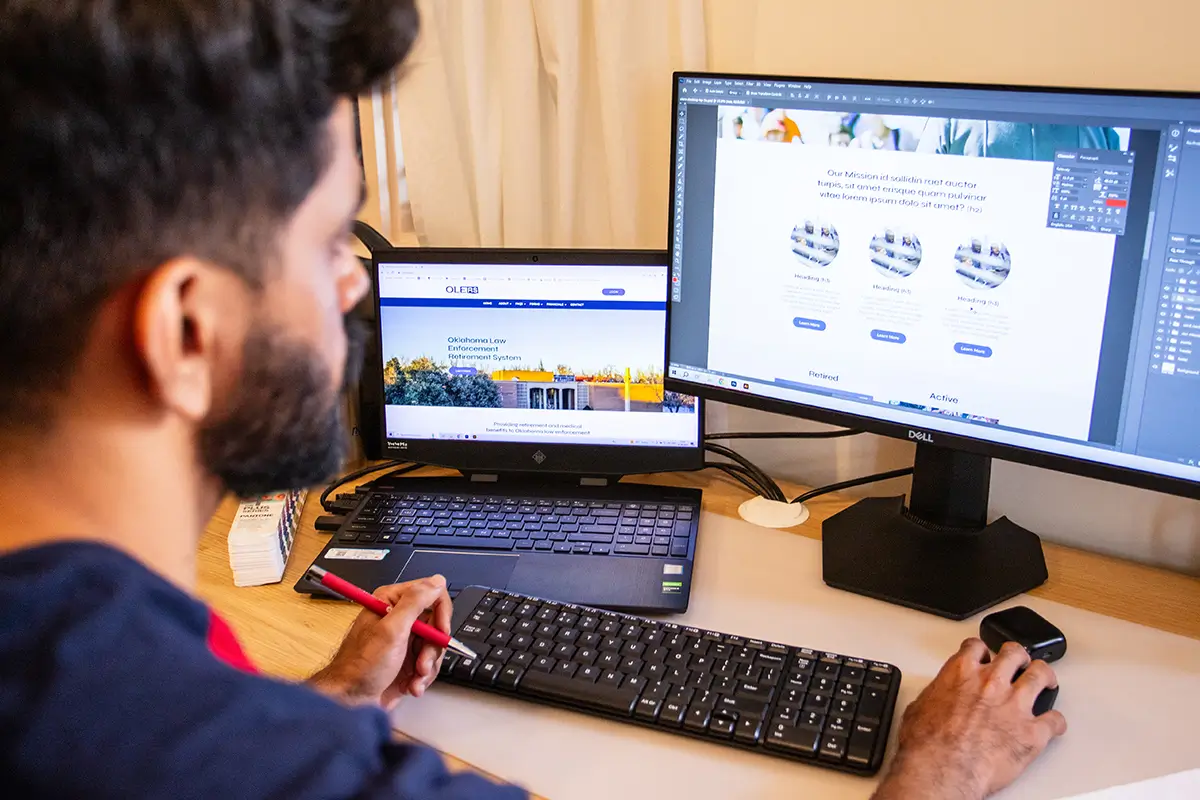
The Strategic Value of a Website Redesign
A website redesign does more than refresh appearances—it allows you to help clients better understand your brand while setting up your business for long-term success. A well-structured, user-friendly design with minimal load time will build credibility and trust in your brand, while the potential boost in SEO rankings can help maintain your competitiveness in the market.
At myheartcreative, we create powerful, high-performing websites that help our clients stay ahead in an ever-changing digital space. Reach out to start a project with our team—we’ll explore how a refreshed, well-designed site can elevate your online presence and help move your business forward.