
Colour is never merely a decoration; it is a critical communicator that speaks volumes about your brand before a single word is read. For any business in Bengaluru aiming to connect authentically with its audience, harnessing the psychological power of colour is essential, especially when developing an online identity through a comprehensive brand-focused website. The hues chosen for your logo, buttons, and backgrounds form the foundation of your visual narrative.
Effective design is a deliberate craft. The colours you select trigger immediate emotional responses, instantly setting the mood and expectations for your visitors. These visual cues are incredibly powerful: research suggests that up to 90% of snap judgements about products are based solely on colour. Mastering your palette is, therefore, one of the first steps in creating a memorable, high-performing website that truly reflects the heart of your business.
Understanding Colour Psychology
Colour is perhaps the most potent non-verbal language a brand possesses. When skillfully applied, it drives emotion, builds trust, and compels action. Before selecting a shade, it is vital to understand the emotional framework behind each hue. Colour psychology is the study of how different shades influence human behaviour. By applying this science, thoughtful designers ensure the chosen scheme supports the brand’s core message.
Common emotional associations tied to primary colour choices include:
- Blue: Trust, security, and intelligence. This is frequently used by technology firms in the Silicon Valley of India and financial institutions to project stability.
- Red: Energy, passion, and urgency. It is highly effective for food delivery services and “Order Now” buttons.
- Green: Nature, health, and growth. This is a popular choice among wellness brands and sustainable ventures.
- Yellow: Optimism, clarity, and warmth. It is often used to grab attention in a crowded digital space.
- Black: Sophistication, authority, and power. It signals luxury, exclusivity, and formality.
In a diverse market like India, colour perception is also deeply influenced by cultural context. For instance, while white may signify purity in some contexts, saffron often represents courage and sacrifice, and green is frequently linked to prosperity. Furthermore, colours can trigger physiological responses: warmer tones like reds and yellows can slightly increase heart rate, while cooler blues and greens promote a sense of calm. Understanding these nuances allows experts to predict user behaviour and set the desired emotional tone.
Crafting a Cohesive Colour Palette
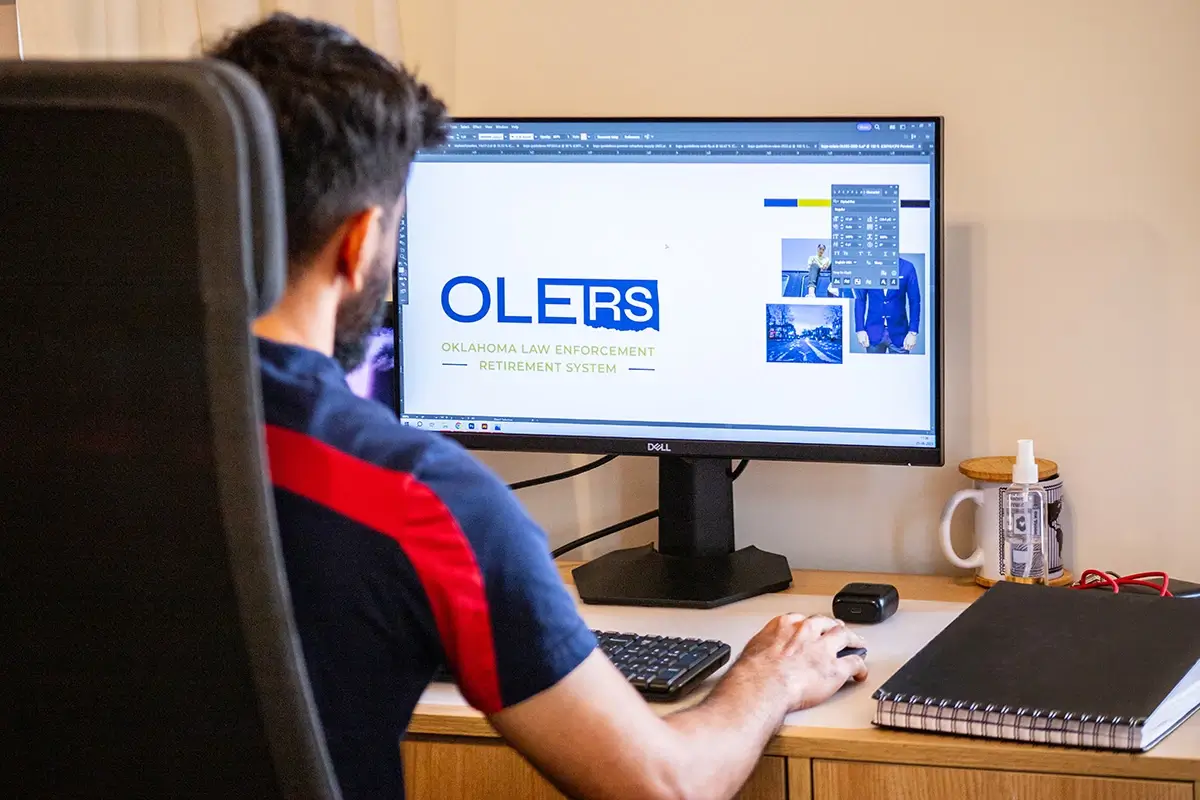
Building a successful colour scheme involves more than just picking a single favourite shade; it requires selecting supporting colours that enhance the primary message and offer greater usability. A well-structured palette typically consists of three main components for a brand identity:
Primary Colours: The Core Identity
This is the dominant colour associated with your brand and logo. It appears most frequently in headers and important design elements, establishing instant recognition. Your primary selection is critical for setting the overarching emotional tone for your Bengaluru-based audience.
Secondary Colours: Contrast and Support
Secondary colours complement the primary hue, providing variation and distinction. They prevent the layout from becoming monotonous and are used throughout the website to define content sections or category groupings. These must be chosen carefully to maintain harmony, often utilising established colour harmonies like analogous or complementary schemes.
Accent Colours: Driving Action and Focus
These are high-contrast colours used sparingly for critical elements, such as call-to-action (CTA) buttons, forms, and links. The accent colour should “pop” against the rest of the design to draw the visitor’s eye. Visual hierarchy uses elements like colour, size, and contrast to show what matters most. Strong contrast helps guide users’ attention and makes navigation intuitive.
Strategy Beyond Aesthetics
A thoughtful approach to colour extends into practical areas of regional development, specifically accessibility and local resonance.
Accessibility and Inclusion
Colour choices must prioritise the user experience. This means ensuring sufficient contrast between text and background colours to meet global accessibility standards. Failing to meet these standards excludes potential customers—such as those with visual impairments—and suggests a lack of attention to inclusive design.
Local and Regional Appeal
When designing for a specific market, such as the tech and lifestyle hub of Bengaluru, understanding local preferences is vital. The goal is to create a sense of familiarity that resonates immediately and positively with the community. Whether you are targeting a tech-savvy startup crowd or a traditional service sector, your colours should feel at home in the local landscape.
Frequently Asked Questions
Understanding how to apply these concepts can be daunting. Here are some common queries regarding colour and design.
How many colours should be in my website palette?
Generally, a “60-30-10” rule is effective, with 60% being your dominant colour, 30% a secondary shade, and 10% an accent. This balanced approach creates a professional look and prevents the user from feeling overwhelmed by too many competing hues.
Can I change my brand colours later?
While rebranding is always an option as your business evolves, it is best to choose a palette that can grow with you from the start. Consistent use of colour over several years is what builds strong brand recall and makes your business instantly recognisable to your audience.
Does colour affect website loading speed?
The colours themselves do not impact performance, but the way they are implemented on the backend certainly can. For instance, using CSS code for solid colours is incredibly fast, whereas using large, unoptimised background images to display certain shades can significantly slow down your page.
For Your Visual Identity
Successful website design requires treating every hue as a strategic decision, ensuring your online presence speaks directly to the heart of your audience. To achieve a stunning, professional result, you need a partner who understands both the art and the science of digital presentation.
At myheartcreative, we pride ourselves on being visionary digital partners. We believe that your online presence should be as unique as your business. We offer a full range of services, including web development, custom logo design, and more. Our team is dedicated to crafting visual experiences that not only look beautiful but also drive engagement and trust in the competitive market.
Ready to bring your brand to life with the perfect palette? Connect with us today!