
A strong website isn’t built around trends or templates. It’s built around clarity, intention, and consistency. When branding website design is treated as an ongoing process rather than a one-time project, a website becomes a reliable business tool, one that evolves alongside real user needs and protects long-term value. Below are the ten essentials we focus on when creating brand-led websites built to last.
10 Things Every Branding Web Design Needs
1. A Clearly Defined Brand Direction
Before visuals or layouts take shape, the brand itself needs clarity. Without a strong direction, websites often feel disjointed or purely decorative. Brand direction means understanding who the business serves, what problem it solves, and how it wants to be perceived. This foundation guides every design decision, from typography to content structure. When branding website design starts with purpose rather than aesthetics, the result feels cohesive and intentional rather than pieced together.
2. Consistent Visual Identity Across Pages
Visual consistency builds familiarity. When colours, fonts, spacing, and imagery shift too often, it creates confusion and dilutes trust. A strong visual identity should be recognisable on every page, not through repetition, but through alignment. Each element should support the same tone and message while allowing flexibility where the content genuinely calls for it.
3. Messaging That Feels Human and Specific
Words matter as much as visuals. Messaging should sound natural, confident, and aligned with the brand’s personality. Generic language can weaken even the strongest design. Clear, specific messaging helps visitors understand what sets a business apart without overexplaining or overselling.
Design and copy should be developed in tandem. When headlines, descriptions, and calls to action are considered as part of the design process, the final result feels grounded and intentional from top to bottom.
4. Layouts That Support Clarity and Focus
Design isn’t about filling space; it’s about directing attention. Strategic layouts help visitors quickly identify what matters most. Clear visual hierarchy, intentional spacing, and structured sections allow content to be absorbed without effort. Our creative web designers prioritise clarity over complexity, and every layout decision ties back to a web design strategy built around the brand it’s serving, not around what looked good on someone else’s site.
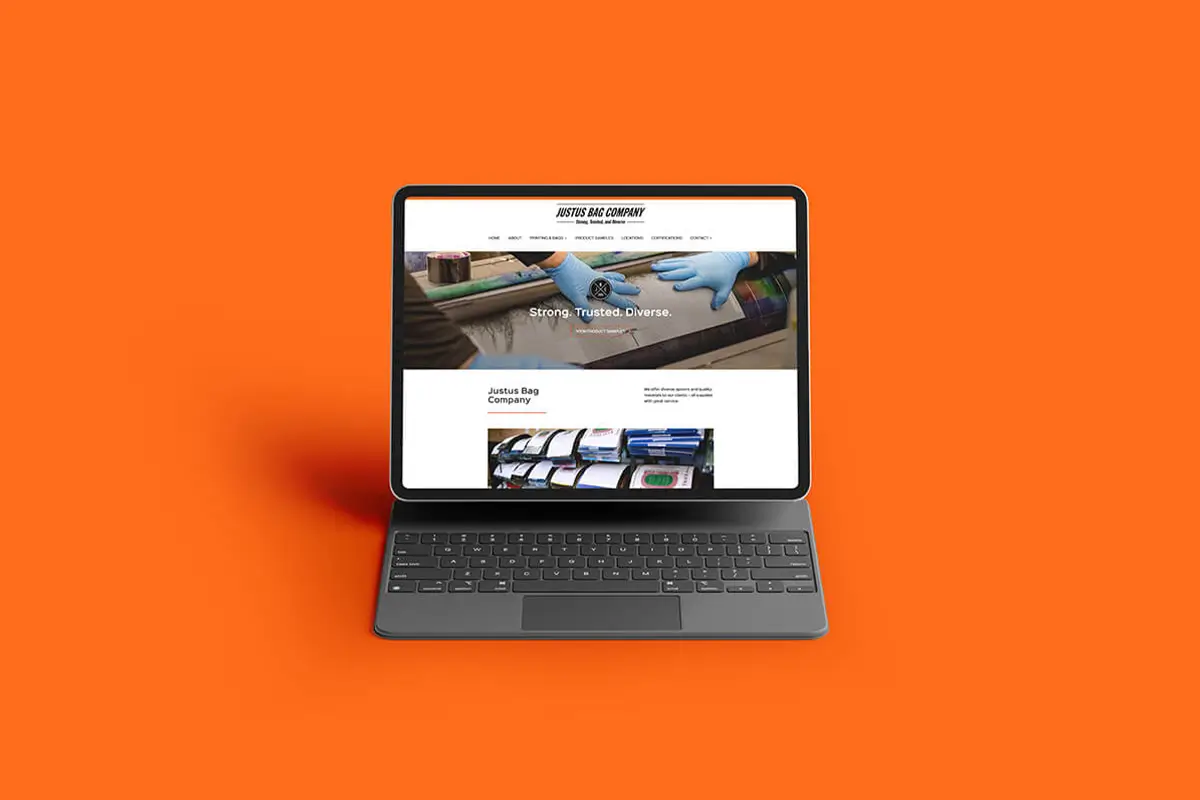
5. Mobile Design as a Priority, Not an Afterthought
A significant portion of website traffic comes from mobile devices, and expectations are high. Navigation should be simple, content easy to scan, and interactions effortless. A site that feels cluttered or slow on mobile erodes trust quickly. Strong branding website design ensures personality and clarity carry through at every screen size, so the experience is consistent whether someone visits on a desktop or a phone.
6. Accessibility That Enhances Usability
Accessibility benefits everyone. Clear contrast, readable text, and logical navigation improve usability across the board, not just for users with specific needs. Accessible design also supports longevity; as standards evolve, sites built with accessibility in mind are better positioned to adapt. Knowing what to look for when evaluating your site’s accessibility is a practical place to start.
7. Performance That Reflects Professionalism
A slow-loading website can quietly damage credibility. Visitors may not consciously identify the issue, but they feel the frustration, and they leave. Optimised images, efficient code, and reliable hosting all contribute to a smooth experience. The consequences of a slow site go well beyond what most people expect, making performance a design decision as much as a technical one.
8. SEO Structure That Feels Natural
Search visibility matters, but it should never come at the cost of user experience. SEO works best when it’s integrated into structure, content, and design from the beginning, not layered on afterwards. Clear headings, meaningful page titles, intuitive navigation, and well-organised content all align with how search engines evaluate pages.
The way user experience and search performance intersect shows why design and SEO need to be considered together rather than in sequence. When they reinforce each other, the result is a site that feels natural to navigate and is positioned to perform well long-term.
9. Data-Informed Design That Evolves Over Time
A well-designed website isn’t static. It grows alongside the business, shaped by how real people interact with it. User behaviour reveals what’s working and what isn’t, which pages hold attention, where visitors drop off, and how they move through the site. When this data is used thoughtfully, it drives refinements that improve engagement without compromising brand integrity.
Data-informed design may include:
- Reviewing page engagement and scroll depth.
- Evaluating user flow through key conversion paths.
- Identifying content gaps or friction points.
- Refining layouts based on actual usage patterns.
Small, intentional changes, such as adjusting navigation labels, improving content hierarchy, or clarifying the site’s purpose, can significantly improve results over time.
10. Intentional Calls to Action
Every page should guide visitors toward a next step, even if that step is simply learning more. However, overly aggressive CTAs feel disruptive. Vague ones leave visitors unsure of what to do next. Calls to action work best when they’re clear, well-placed, and aligned with where the visitor is in their journey.
Effective branding website design ensures that CTAs feel supportive and purposeful, helping users move forward naturally rather than pushing them.
Frequently Asked Questions
Below are answers to a few common queries regarding brand-led website design.
Why is branding important in website design?
Branding creates clarity and cohesion, guiding visual and content decisions so the website feels intentional and recognisable rather than fragmented or purely decorative.
Can a website evolve without changing the brand?
Yes. A website can improve structure, usability, and performance over time while preserving the core brand identity, voice, and visual consistency that audiences already recognise.
How does branding influence user trust?
Consistent branding builds familiarity and credibility, helping visitors feel confident in the business and trust the experience enough to explore, engage, or take action.
What role does branding play in conversions?
Strong branding aligns design, messaging, and calls to action, reducing friction and helping users move forward with clarity and a sense of connection to the business.
Create a High-Performing Online Presence
A well-designed website results from many thoughtful decisions working in perfect harmony. At myheartcreative, we design websites collaboratively and intentionally, blending creativity with clarity so the final result is purposeful, refined, and built with care. We see your digital presence not just as a static page, but as an authentic, evolving extension of your brand story.
We specialise in crafting websites designed to connect your brand with your community. From comprehensive website development and responsive web design to professional graphic design and brand strategy, we ensure your business establishes genuine authority exactly where it matters most.
Ready to create a beautiful website that your customers can trust? Contact us today!