TL;DR: Logo design is the process of creating a business’s identifying mark through research, concept development, testing and the delivery of files for every use. A good logo is simple, distinctive and works at any size, and its quality depends on the strategy behind it more than the software used.
Logo design is the craft of creating the symbol, wordmark or combination of both that identifies a business. It goes beyond drawing: a designer researches the business and its competitors, develops concepts, tests them in real conditions and delivers files that work on everything from a browser tab to a shopfront sign. Because a logo sits at the centre of a visual identity, the decisions made here show up on every page, product and printed piece that follows.
A Logo Is One Part of a Brand
A logo identifies a business, but it is not the brand. The brand also includes the colour palette, typefaces, imagery and tone of voice around the mark, so a logo designed in isolation tends to clash with everything built after it.
What a Good Logo Needs to Do
A logo has to work in the conditions it will actually be used in. It should be recognisable, distinct enough from competitors that it is not confused with them, and scalable, legible when small on a phone screen and sharp when enlarged on signage.
It also needs to be flexible, effective in one colour, reversed on dark backgrounds and in square or horizontal formats. Finally, it should be appropriate for the audience and sector, without relying on logo trends that date quickly.
Common Types of Logo
Most logos fall into a handful of formats. A wordmark sets the business name in type, and a lettermark uses initials, which suits long names. A pictorial mark uses a recognisable image and an abstract mark uses shapes with no literal meaning. Symbols are compact, but they usually need consistent exposure before people connect them to the business.
A combination mark pairs a symbol with a wordmark and can be split into parts for different uses, while an emblem places the name inside a badge or crest. Colour and shape both carry associations, a subject covered in the psychology behind great logo design.
How a Logo Is Designed
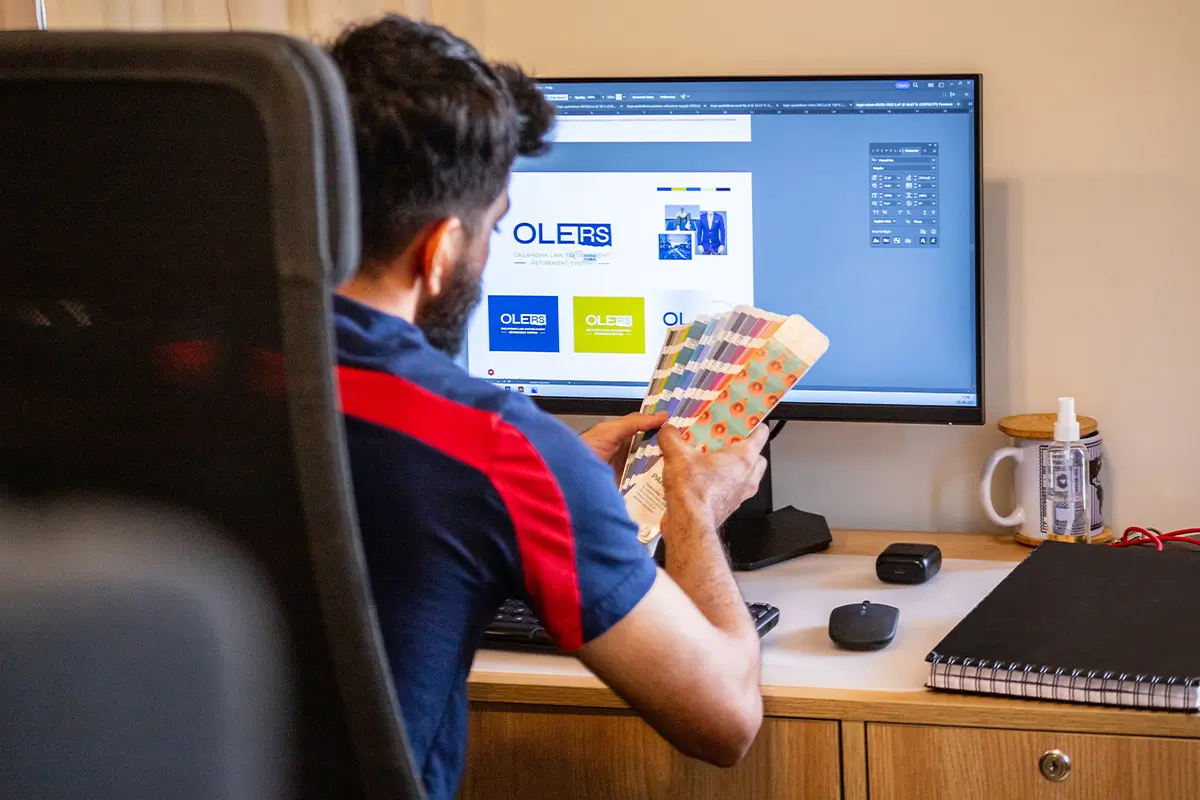
The process starts with discovery: learning who the business serves, what sets it apart and how competitors present themselves. Next come sketches and a few distinct concepts, not minor variations of one idea, so the client has a real choice. The chosen concept is then refined and tested at small sizes, in black and white, and on light and dark backgrounds, and adjusted wherever it breaks down.
Final Files and Usage Guidelines
The finished package normally includes vector files for print and signage, transparent PNGs for digital use, and colour, single-colour and reversed versions. Guidelines set out minimum size, clear space and what not to do with the logo, because recognition comes from consistent use, not from the design alone.
Template, DIY or Designer?
A template or logo maker can suit a short-term project or a test of a business idea. The limits are that other businesses may end up with similar marks, licences can restrict commercial use and the files supplied may be limited.
Once the logo appears on a website, vehicles, packaging and print, a logo designer who builds the mark around the business and delivers the full file set is usually worth the investment, and our post on where to hire a logo designer covers the options. Logo work also tends to lead into wider graphic design, such as stationery, social templates and signage.
Frequently Asked Questions
How long does logo design take?
Most projects run for a few weeks, covering discovery, concepts and revisions. The pace depends mainly on how quickly feedback is returned.
How much does logo design cost?
Prices vary with the designer’s experience, the depth of research and the number of concepts and deliverables. A template costs far less than a custom identity, though it comes with the limits above.
Can a logo be trademarked?
Often yes, provided it is distinctive and does not conflict with an existing mark, but rules and processes differ by country. A trademark attorney can advise on registration.
Please note: this information is intended for general purposes only and does not constitute legal advice.
Key Takeaways
- Logo design is research, concepts, testing and file delivery, not just drawing.
- A logo is one part of a brand identity, and strategy should lead the design.
- Good logos are recognisable, scalable and flexible across different uses.
- The right format, whether wordmark, symbol, combination mark or emblem, depends on the name, audience and where the logo will appear.
- Complete files and usage guidelines matter as much as the artwork for consistent use.
Build a Logo That Lasts
A logo does its job when strategy, design and file preparation are handled together. At myheartcreative, we design logos as the starting point of a wider visual identity, from research and concepts to the final files and usage guidelines you need.
Contact us today to tell us about your business and start your logo project!